
“Impact Dialogues by the Fire” s’mores event highlights community issues
// February 23, 2026
Photos // Robert Van Horn
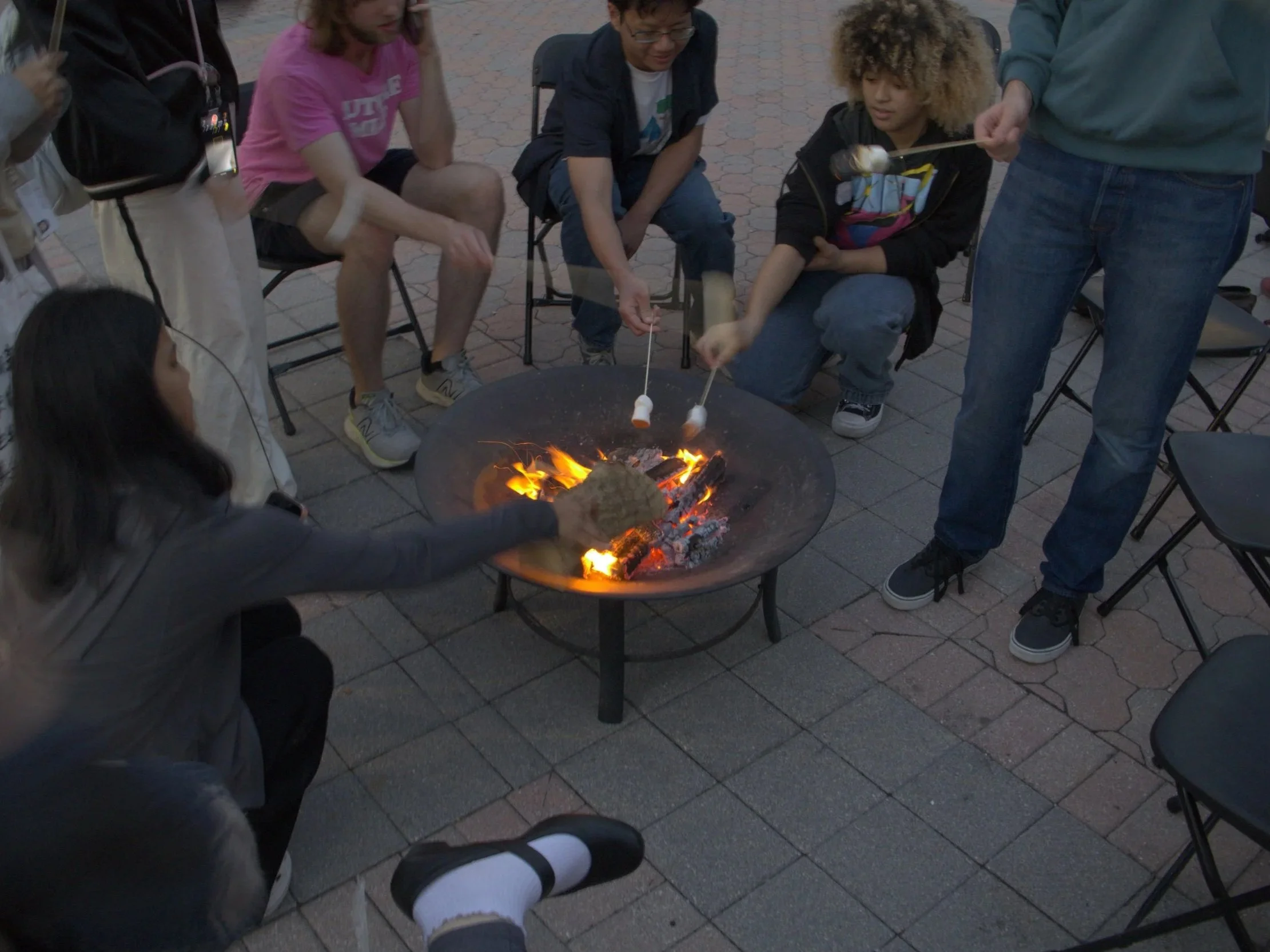
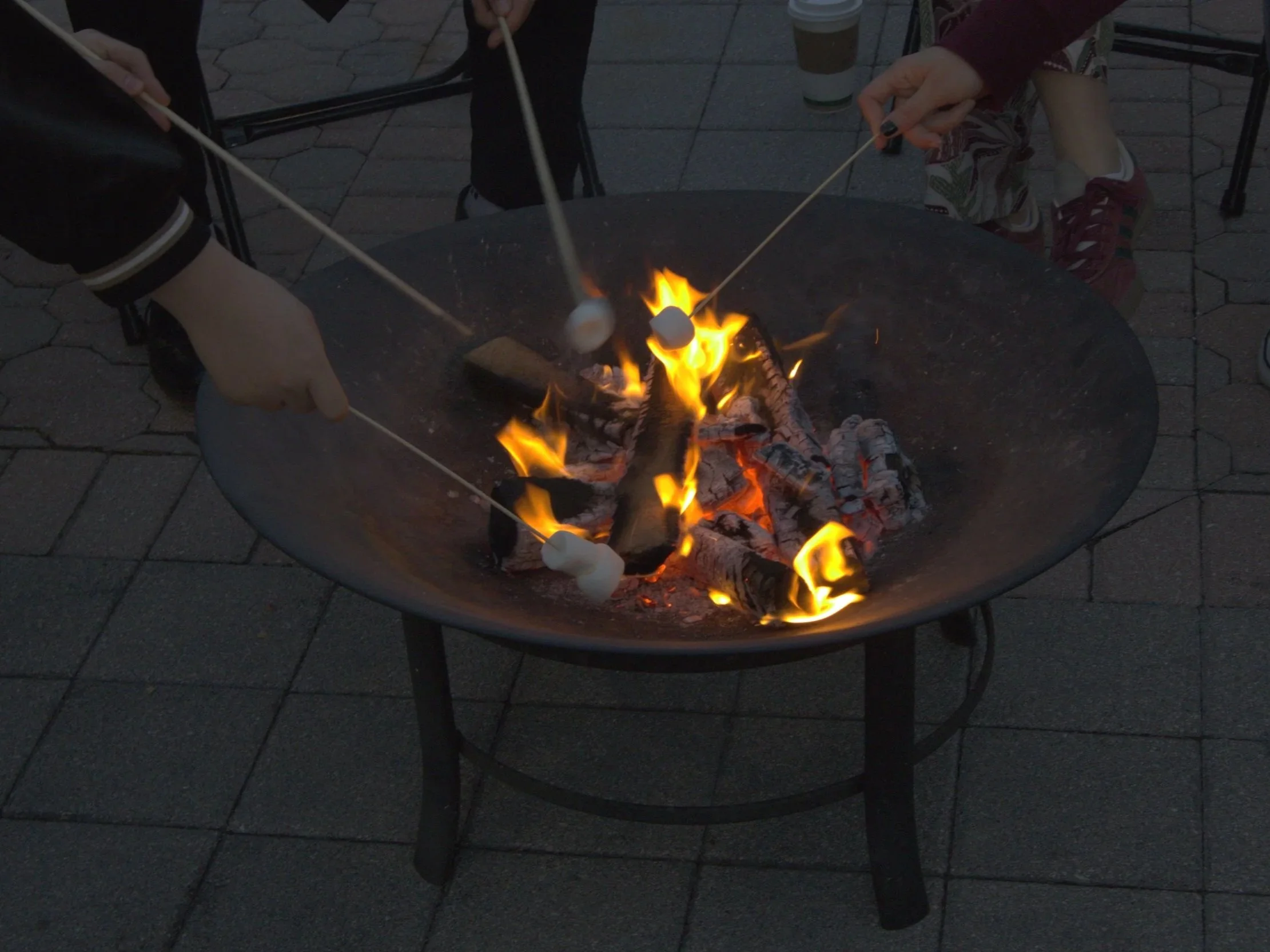
On Wednesday, Feb. 18, many students were surprised to be met by a fire pit and the smell of marshmallows as they passed by Scott Plaza. This was not the first time, though — every month, the Lazarus Assistantship program hosts “Impact Dialogues by the Fire” to raise awareness on important community topics that often go under-discussed.
“We have a group of around 20 students who are invested in the community,” Assistant Coordinator of Student Volunteerism and Service Learning Jose Santana said. “One of the goals of the [Lazarus] program is to help students be aware of the root causes behind inequities in our community, so at this event we discuss various topics, some examples are housing insecurity, youth development, and in this case, hospice.”
“I feel we’re really used to assigning value to someone as long as they’re productive to society.”
—Bruna Torres Livreri, Film Freshman
Santana, who is also an Americorps VISTA (Volunteer in Service to America), added that the topics of discussion for each Impact Dialogue event is chosen by taking into consideration issues that are seen in the community and the causes that interest students in the program. The Lazarus Assistantship is a four-year scholarship program that focuses on immersing students in service learning by allowing them to combine their personal interests and major with giving back to those around them.
“We have volunteer meetings like once every 15 days for reflecting on the work we’re doing,” Film freshman and Lazarus Scholar Bruna Torres Livreri said. “We also have career service meetings with the school career services where we get some more practical training like building a LinkedIn profile, building a resume, practicing for interviews — it’s like career development, but also volunteer work development.”
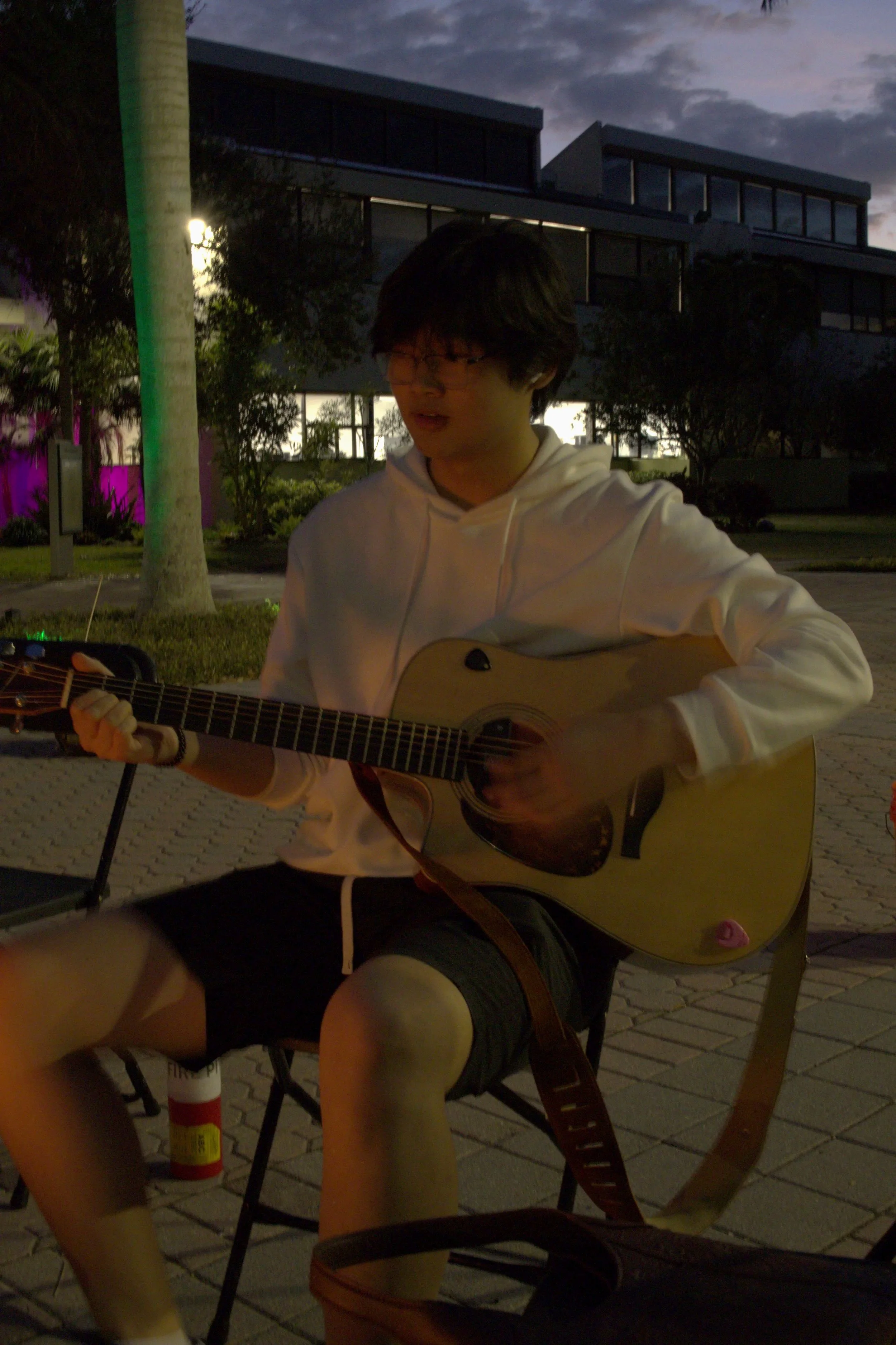
Photo // Robert Van Horn
Torres Livreri is an international student from Brazil, and she explained that she found the topic on hospice important because she and many others did not know what hospice was prior to talking about it. She said that in Portuguese, the word that sounds most like hospice has negative connotations and actually refers to insane asylums, and only now did she understand what it really entails in English: specialized end-of-life care that focuses more on providing someone with comfort rather than curing an illness as they reach the end of their life.
“I think dialogues like these are really important for us to think about before it’s our problem in our lives,” she said. “I feel we’re really used to assigning value to someone as long as they’re productive to society, so in most of the western communities nowadays, we tend to think that if the person can’t contribute to society anymore they’re not as valuable anymore. Meanwhile, in some other groups or societies different from where we live, it’s the other way around, where the older people are the most praised ones because of the amount of knowledge they can pass down to us, so I think we really should shift the perspective that we have.”
The central focus for students in the Lazarus program is slowly building up to their senior year Capstone project, where they will choose a specific non-profit organization to partner with in a final project of their choosing that combines their major or career of choice with giving back to the community.
“Freshman year [in the Lazarus program] is mainly just getting to know organizations and everything,” Business of Art and Design freshman and Lazarus Scholar Nishita Basnet said. “The second year, you can reach out to them and maybe do something to lead, and then third year is the same thing where you’re more leadership-focused before you actually have to come up with a substantial idea for your final year project.”
Torres Livreri, Basnet, and Santana were the three primary representatives of the Lazarus Assistantship at the event, and as students approached with their sights set on just a free sweet treat and cozy campfire, they guided the conversation towards something greater that oftentimes goes overlooked.
“Today’s is a topic that I don’t really feel gets brought up as commonly as the [previous] ones,” Santana said. “The next topic is microplastics and environmental change. It’s a big one.” ✮
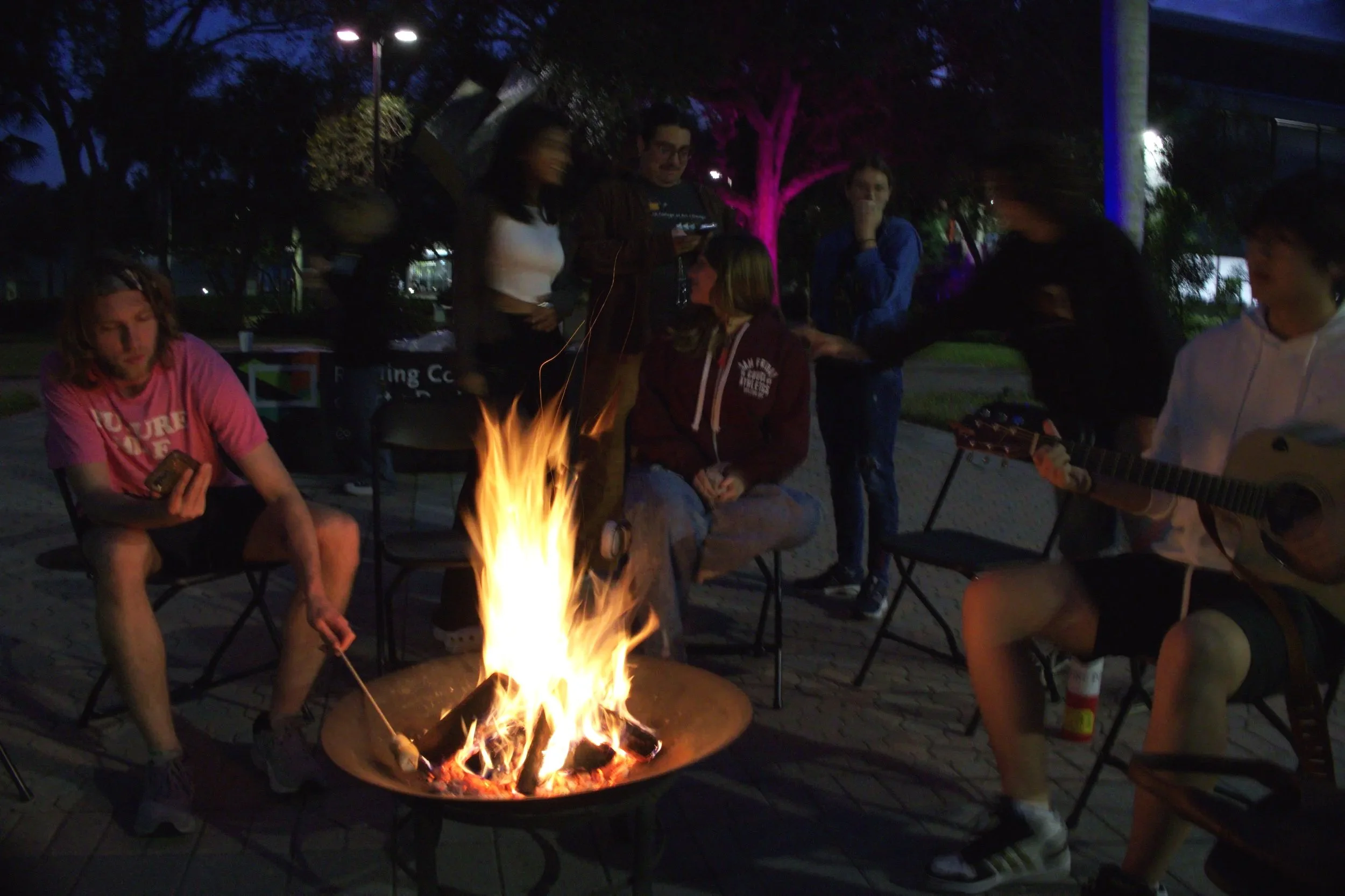
Photo // Robert Van Horn